
Hair Loss Medication & Medical Therapy in Islamabad
Medical therapy with finasteride and minoxidil is usually the first step for early hair loss, slowing shedding and thickening existing hair before surgery is ever considered.
- Early hair thinning
- Stabilising active loss
- Pre-transplant prep
Consultation-based · pairs with PRP from PKR 15,000/session
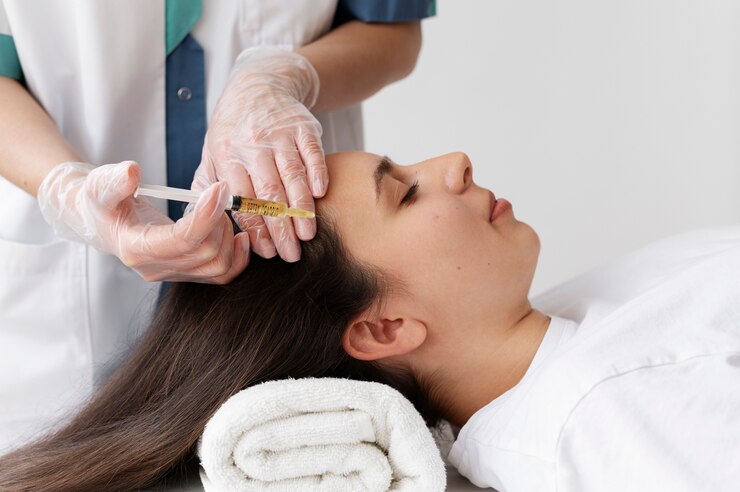
What is medical hair loss therapy?
Medical therapy for hair loss centres on two well-established treatments: finasteride and minoxidil. Both are used to slow further shedding and improve the thickness of hair you already have, and are typically the first option a doctor discusses before any surgical procedure.
For many patients with early thinning, this alone is enough to hold the line for years. For others it becomes the supporting layer around surgery, protecting native hair while transplanted grafts grow in.
How finasteride and minoxidil work
Neither treatment works overnight. They act on the hair growth cycle itself, so consistent daily use over a period of months is what determines the outcome, and stopping treatment generally means the benefit fades over time.
- Finasteride (oral): reduces DHT, the hormone that shrinks genetically sensitive follicles over time
- Minoxidil (topical): applied directly to the scalp to stimulate blood flow and prolong the hair growth cycle
- Minoxidil (oral, low-dose): an alternative some doctors prescribe when topical use is impractical
- Both are usually prescribed together for a stronger combined effect than either alone
Who this suits
Medication does not regrow hair in areas that are already bald with no active follicles, it works best on thinning hair rather than fully lost hair.
This is why the two situations are often confused. A patient who is fully bald at the crown needs a transplant to add hair there, while a patient who is thinning but still has visible coverage may get real benefit from medication alone, or in combination with a transplant elsewhere on the scalp.
- Early to moderate hair thinning where follicles are still active
- Patients wanting to slow progression before deciding on a transplant
- Active shedding that needs stabilising, including some causes of female hair thinning
- Post-transplant patients supporting native hair alongside new grafts
Realistic expectations and side effects
Results build gradually over months, not weeks, and are meant to maintain what you have rather than create dramatic new density on their own. Finasteride and minoxidil can carry side effects for some patients, and response varies from person to person, so this is a conversation to have directly with your doctor at consultation rather than something to self-prescribe. Treatment is only started and monitored after a proper medical review.
Combining with PRP and transplant
Medication is often paired with PRP therapy to further support thickness, and is commonly used to stabilise loss before a hair transplant is booked, and to help protect surrounding native hair after surgery. It can also be considered alongside scalp micropigmentation for patients who want camouflage while medication takes effect. Stabilising ongoing loss first matters because a transplant only adds hair, it does not stop shedding elsewhere on the scalp, so an untreated pattern can continue to progress around new grafts.
Monitoring and follow-ups
Because response and tolerance vary, therapy is reviewed at your scheduled follow-ups so the doctor can adjust the plan, check progress and discuss whether PRP or a transplant makes sense as a next step for you. Photos taken at each visit make it easier to track gradual change that can be hard to notice day to day.
Getting started
Medical therapy is consultation-based, since your plan depends on the pattern and stage of your hair loss. A free assessment with Estheticare's doctors will confirm whether medication alone, medication with PRP, or a surgical option is right for you. Get in touch to book.
If you are unsure where to start, that uncertainty itself is a normal reason to come in for a consultation. Estheticare's doctors will look at your pattern of loss, donor density and history before recommending a plan, rather than assuming surgery is the only path forward.
Not sure which option fits you?
Send 3 scalp photos on WhatsApp. We forward them to Estheticare and a surgeon replies with your graft estimate and written quote, free.
WhatsApp Photos NowHair Loss Medication: frequently asked questions
Is hair loss medication a substitute for a hair transplant?
Not always. Medication maintains and thickens existing hair but cannot regrow hair in areas with no active follicles, which is where a transplant helps.
How long before I see results from finasteride or minoxidil?
Results build gradually over several months of consistent use, not weeks, so patience and a doctor-guided plan matter.
Are there side effects with finasteride or minoxidil?
Some patients experience side effects; this varies by individual, so it should be discussed with your doctor before starting treatment.
Can medication be combined with PRP?
Yes, medication and PRP are commonly combined for a stronger effect on thickness and shedding.
Should I take medication before getting a hair transplant?
Often yes, stabilising active shedding with medication first helps protect surrounding native hair once new grafts are placed.
Is hair loss medication suitable for women?
It can be, depending on the cause of thinning identified at consultation; a doctor reviews this before prescribing.
How much does hair loss medication cost?
Pricing is consultation-based since the plan is tailored to your hair loss pattern; it can pair with PRP from PKR 15,000 per session.
Do I need to keep taking medication after a transplant?
Many doctors recommend continuing therapy after surgery to protect existing native hair around the new grafts.
Other non-surgical options
PRP Hair Treatment
Your own platelet-rich plasma to thicken thinning hair, stop shedding and boost transplant growth.

Scalp Micropigmentation
Medical hair tattoo that recreates the look of a full, shaved head or adds density. 2–4 sessions.
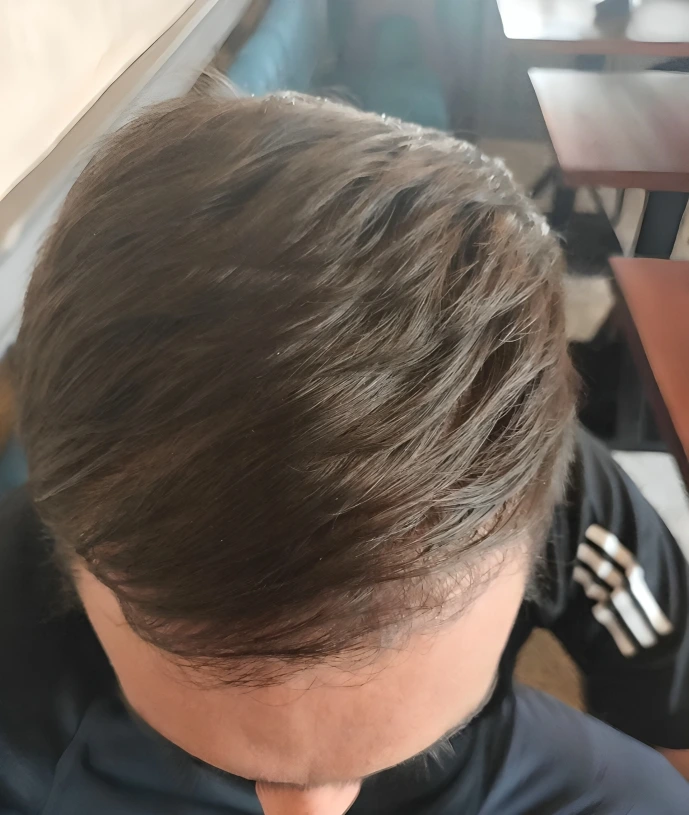
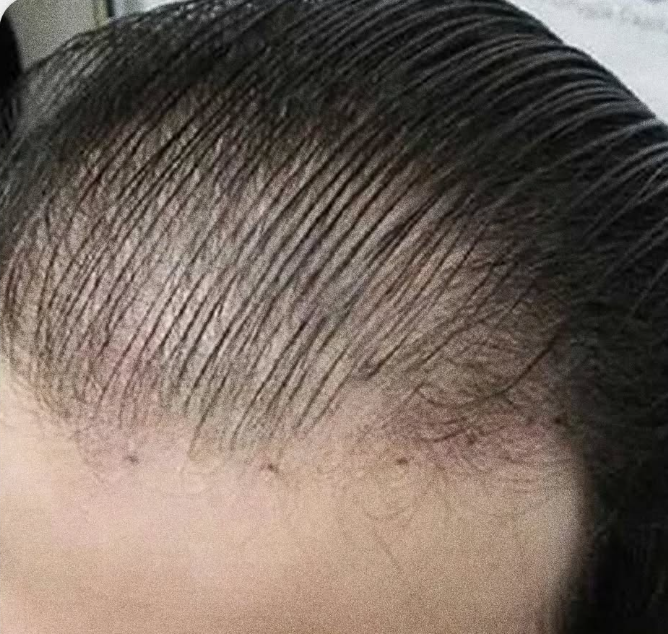
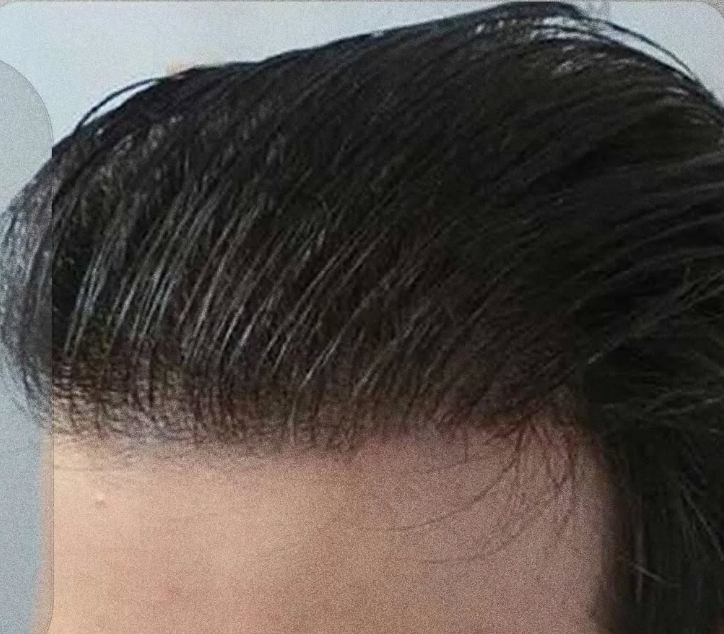
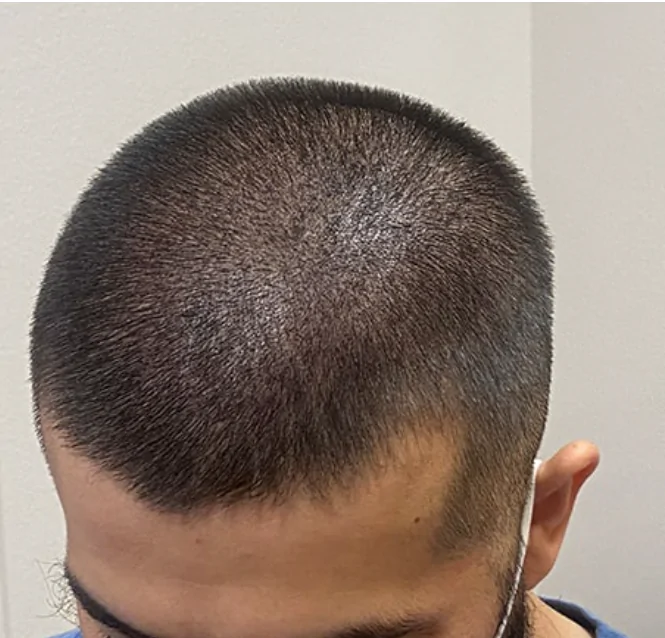
Before & After at Estheticare Islamabad
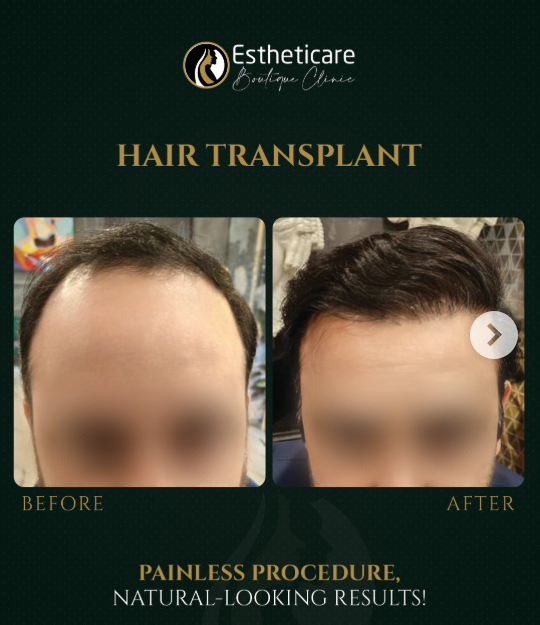
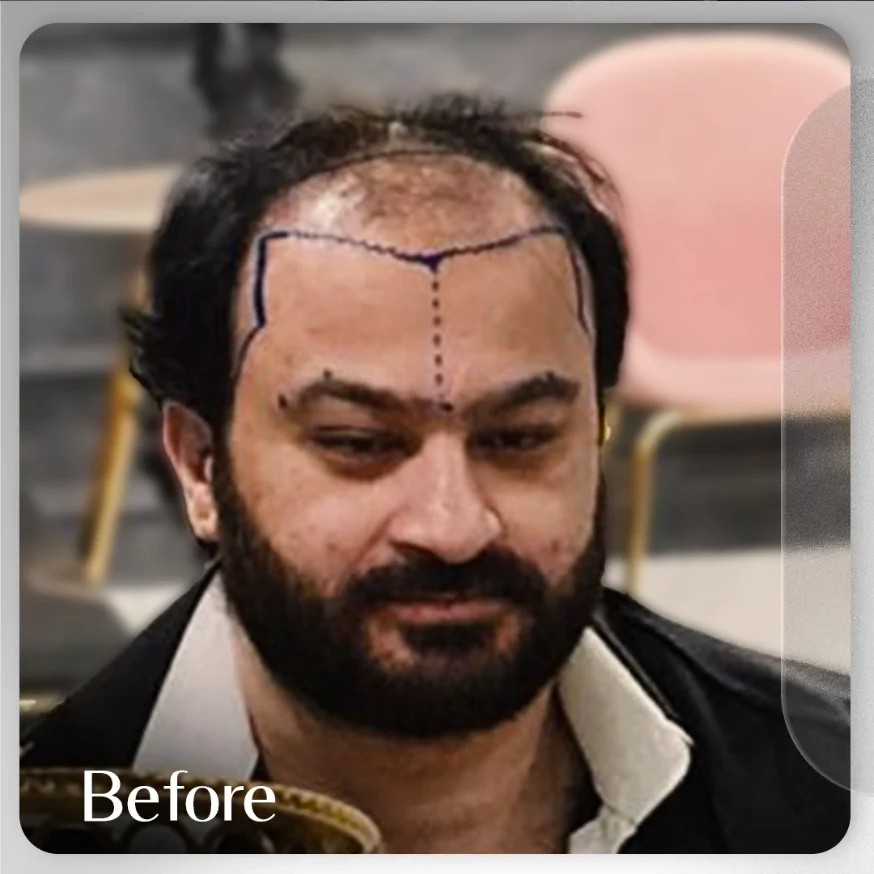
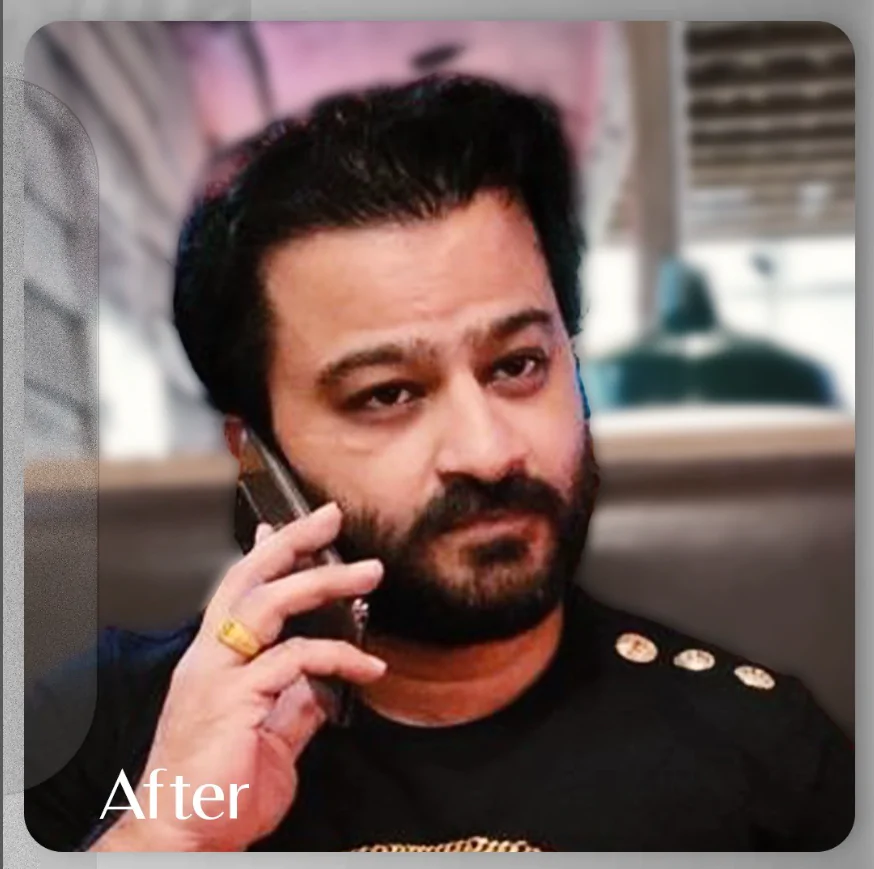 BeforeAfter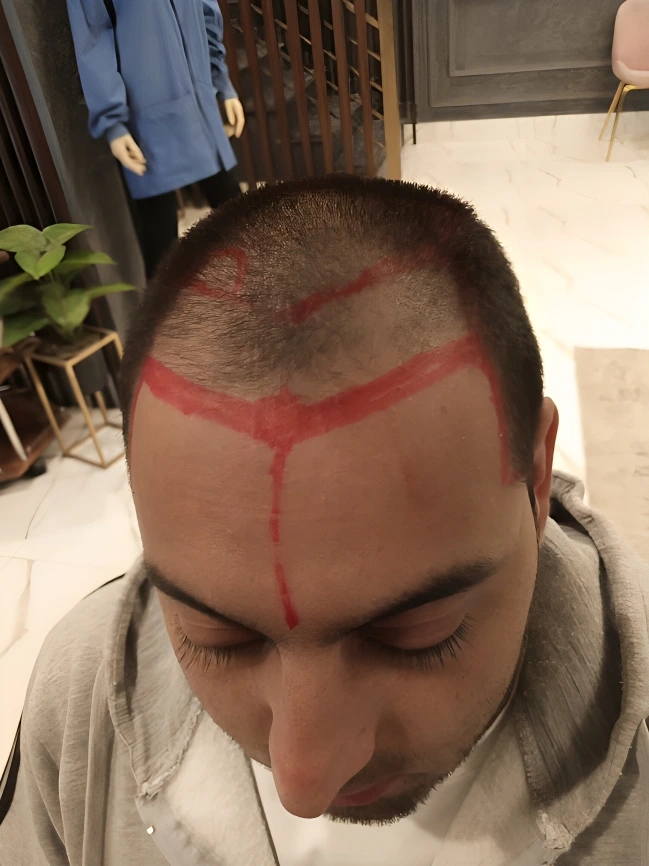
 BeforeAfter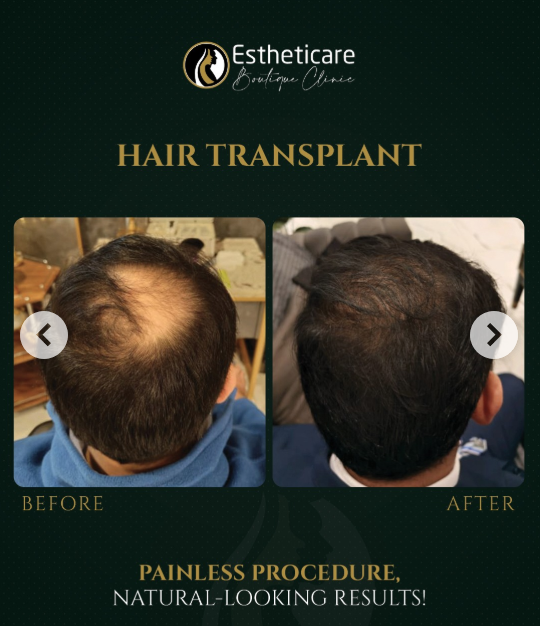
 BeforeAfter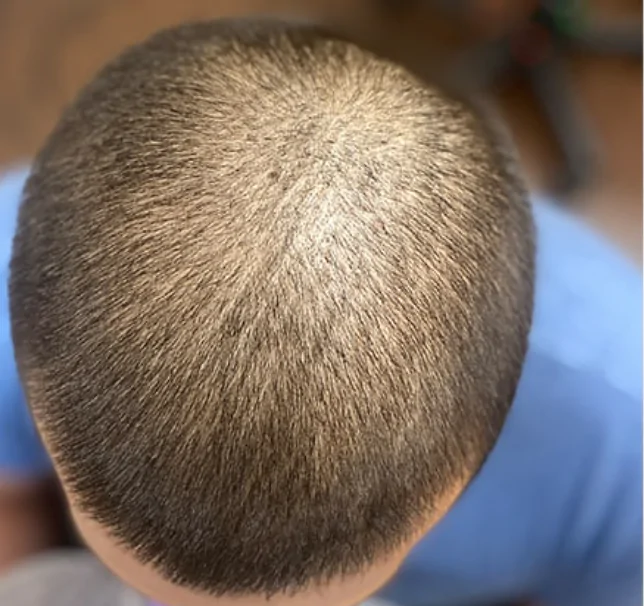
 BeforeAfter
Real Estheticare Boutique Clinic patients (our partner clinic). Individual results vary. Faces blurred for privacy where requested. See more results →
Performed by Qualified Surgeons at the Partner Clinic

Dr. Ozair Khan
MBBS, DipAM, D.Derm, MCC Hair Transplant, Fellowship in Facial Aesthetics. Leads hairline design and overall treatment planning.
Dr. Muhammad Bilal
Performs FUE and FUT procedures with a surgical focus on graft survival, natural angles and scar-free donor areas.
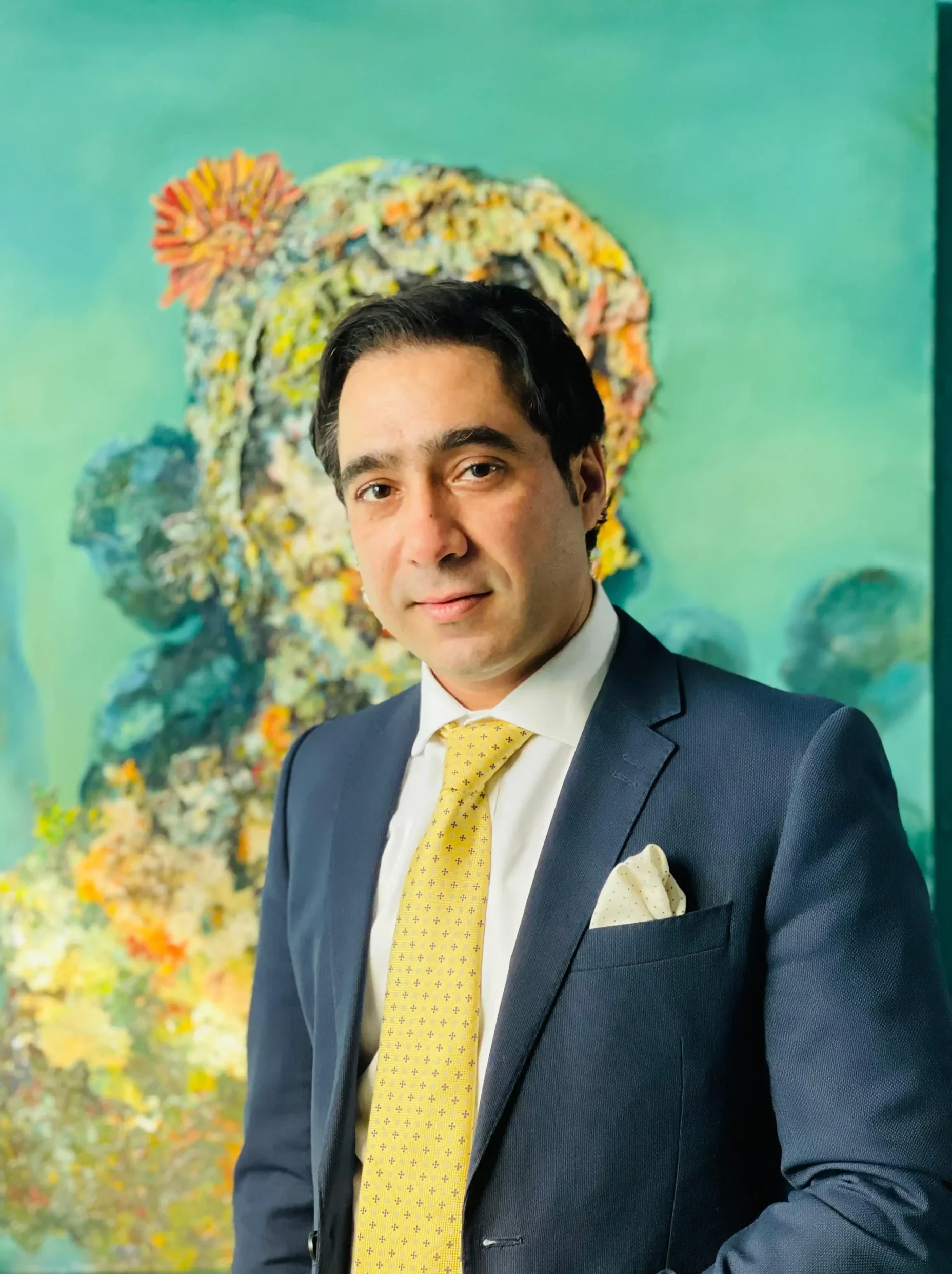
Dr. Umar Khan
Specialises in high-density FUE sessions, crown restoration, beard and eyebrow transplants.
“I had a hair transplant at Estheticare, and the results are amazing! My hair looks natural, and the entire experience was professional and smooth.”
Google review • Hair transplant
“I just had my PRP today. Staff was highly professional and active and the doctor was so humble. This place is highly recommended and the ambience was amazing.”
Google review • PRP hair treatment
“The level of skill, expertise, and attention to detail demonstrated by the practitioners is simply outstanding… the clinic itself is absolutely beautiful, a serene and immaculately maintained space.”
Google review
Ready to see your new hairline?
Free scalp assessment, graft count and exact quote — no obligation.
Book Your Free Hair Loss Medication Consultation
Tell us about your hair loss. Your enquiry is forwarded to Estheticare Boutique Clinic, whose coordinator will call or WhatsApp you with a graft estimate, cost and the next available surgeon slot.
- Free scalp assessment in clinic or via WhatsApp photos
- Exact graft count & written quote before you decide
- Surgeon-led procedure, not technician-only
- 12-month follow-up and aftercare support
Prefer to talk?
0327 2101199
Mon–Sat 10:00 AM – 7:00 PM (Sunday closed)