Key takeaways
- PMDC registration and surgeon-led procedures, not technician-only extraction, are non-negotiable basics to verify before booking.
- Get a written, all-inclusive quote tied to an exact graft range before you commit, not a verbal estimate.
- The 'surgeon-in-the-room' test, confirming a qualified surgeon performs and oversees the procedure, is one of the fastest ways to screen a clinic.
- Single-use punches, a dedicated sterile theatre and verifiable before-and-after photos are basic safety and credibility signals worth confirming directly.
- Why clinic choice matters more than the technique you pick
- The 12-point checklist
- Scoring your shortlist
- The surgeon-in-the-room test explained
- Reading the quote: what 'all-inclusive' should mean
- Verifying registration and safety standards
- Questions to ask before you book
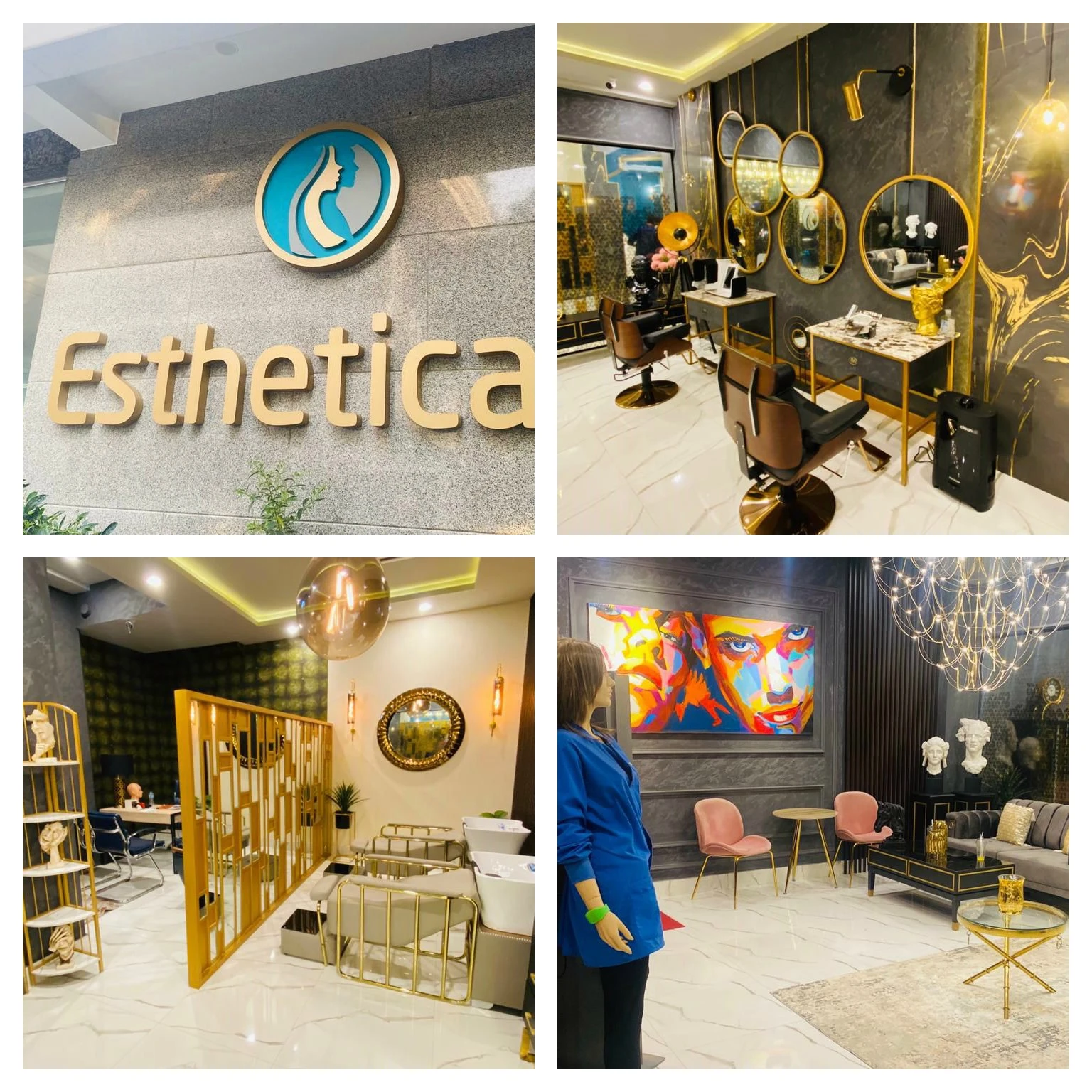
- What this looks like at Estheticare Islamabad
Why clinic choice matters more than the technique you pick
FUE, FUT and robotic FUE all have solid track records when performed well, so the technique itself is rarely where things go wrong. What actually varies between clinics is who performs the surgery, how sterile the facility is, how the graft count and price are quoted, and how much aftercare support you get for the 12 months it takes to see a full result. A well-run clinic using an 'ordinary' technique will usually outperform a poorly run one using an impressive-sounding one.
If you're still deciding between FUE and FUT, it's worth working through that question separately from this checklist, since technique and clinic quality are two different decisions that both deserve attention before you book.
The 12-point checklist
- PMDC registration for the clinic and the operating surgeon
- A named surgeon, not just 'our medical team,' performing the extraction and implantation
- The surgeon-in-the-room test: they perform and oversee the case, not just consult beforehand
- A dedicated sterile theatre, not a converted consultation room
- Single-use punches and instruments, confirmed, not assumed
- A written, all-inclusive quote tied to a specific graft range
- No pressure to decide or pay in full on the first visit
- Verifiable before-and-after photos, ideally with a consistent angle and lighting
- A structured aftercare plan with defined follow-up points
- Clear answers about what happens if complications arise
- Genuine patient reviews you can cross-check, not just testimonials on the clinic's own site
- A clinic willing to do a remote photo assessment before you travel, if you're coming from out of town
Scoring your shortlist
A simple way to compare clinics after a call or visit is to score each item 0–2 (0 = failed to confirm, 1 = partially confirmed, 2 = clearly confirmed) and total them. Anything scoring well below the maximum on the first six items in particular is worth treating as a serious caution, regardless of price.
| Checklist item | Why it matters | Score 0–2 |
|---|---|---|
| PMDC registration | Confirms legal, regulated medical practice | |
| Named, surgeon-led procedure | Rules out technician-only extraction | |
| Surgeon-in-the-room test | Confirms who actually performs your surgery | |
| Dedicated sterile theatre | Reduces infection and complication risk | |
| Single-use punches | Basic, verifiable hygiene standard | |
| Written, all-inclusive quote | Protects against mid-procedure upselling | |
| No same-day payment pressure | Signals confidence over sales pressure | |
| Verifiable before-and-after photos | Evidence of real, consistent results | |
| Structured aftercare plan | Supports the 12-month recovery process | |
| Clear complications policy | Shows the clinic plans for real outcomes, not just ideal ones | |
| Cross-checkable reviews | Independent evidence beyond the clinic's own marketing | |
| Remote assessment available | Useful if you're travelling from another city or overseas |
Score each row 0–2 during your consultation call or visit; a low score on the first six rows is a stronger warning sign than on the rest.
The surgeon-in-the-room test explained
It's common in some clinics, not just in Pakistan, for a consultation to happen with a doctor while the actual extraction and implantation are performed largely by technicians. Ask directly: who performs my surgery, and are they in the room for the whole procedure, not just the planning and hairline marking? A clinic confident in its own standards will answer this plainly. Hair transplants at Estheticare Boutique Clinic (our affiliated partner clinic) are surgeon-led throughout, with Dr. Ozair Khan, Dr. Muhammad Bilal or Dr. Umar Khan overseeing the case rather than handing it to technicians.
This single question tends to filter out more problem clinics than any amount of researching techniques or reading marketing copy, simply because it's uncomfortable for a technician-led operation to answer honestly, and easy for a genuinely surgeon-led one to confirm without hesitation.
Reading the quote: what 'all-inclusive' should mean
An all-inclusive quote should specify the surgeon fee, local anaesthesia, medicines, an aftercare kit, and scheduled follow-ups, tied to a defined graft range, in writing, before your surgery date. If a quote is verbal only, doesn't mention a graft range, or excludes items that get added later, treat that as a reason to ask more questions, not necessarily to walk away, but definitely to get it in writing first. Our cost guide has current PKR ranges by graft count for comparison.
It's worth reading a quote alongside our separate guide on how many grafts you actually need, since a suspiciously low all-inclusive price sometimes turns out to be based on a lower graft count than your case really requires.
Verifying registration and safety standards
PMDC (Pakistan Medical and Dental Council) registration for both the facility and the operating surgeon is a basic, checkable credential, and a legitimate clinic should have no hesitation confirming it. Combine that with confirming single-use punches and a dedicated sterile theatre, both straightforward yes-or-no questions that a well-run clinic answers without deflecting.
None of this requires specialist knowledge to check, it just requires actually asking. Patients travelling in from another city or overseas are sometimes more hesitant to ask these questions over a screen than in person, but a clinic worth choosing should answer them just as openly by phone or WhatsApp as they would face to face, without treating the questions as an inconvenience.
Questions to ask before you book
Bring these to a call or consultation and note how directly they're answered; hesitation or vague answers on any of these tell you almost as much as the answer itself:
- Who exactly performs my surgery, and will they be present for the whole procedure?
- What's my graft range, in writing, and how was it calculated?
- Is the quote genuinely all-inclusive, and what would make the price change?
- What does the aftercare schedule look like, and how are follow-ups done if I'm not local?
- Can I see before-and-after photos of a case similar to mine?
What this looks like at Estheticare Islamabad
Estheticare is a PMDC-registered, surgeon-led clinic operating from a dedicated sterile theatre with single-use punches for every patient, and quotes are written and all-inclusive, tied to your specific graft range. If you'd rather talk it through first, 0327 2101199 reaches the team directly, or you can browse the wider guides hub to get a sense of what else to ask before you book.
Not sure which option fits you?
Send 3 scalp photos on WhatsApp. We forward them to Estheticare and a surgeon replies with your graft estimate and written quote, free.
WhatsApp Photos NowFrequently asked questions
Is a cheaper clinic always worse?
Not necessarily, but price alone tells you little. A clinic can be affordable and still meet every item on this checklist, or expensive and still cut corners on who actually performs the surgery. Score the checklist first, then compare price among clinics that pass it.
How do I actually verify PMDC registration?
Ask the clinic directly for their registration details and the operating surgeon's credentials, and don't hesitate to ask follow-up questions if the answer is vague. A legitimate clinic should provide this without pushback.
Why does the surgeon-in-the-room test matter so much?
Because in some clinics, a doctor handles the consultation while technicians perform most or all of the actual extraction and implantation. The surgeon-in-the-room test confirms a qualified surgeon is present and responsible throughout your specific procedure, not just at the planning stage.
Should I trust before-and-after photos on a clinic's website?
Treat them as a starting point, not final proof. Consistent lighting and angles, visible variety across different Norwood stages, and a willingness to show more examples on request are good signs; a handful of dramatic photos with no context is less convincing.
Is one consultation enough to decide?
It's often enough to screen a clinic against this checklist, but take your time on the graft count and written quote specifically. A remote WhatsApp photo assessment beforehand, if you're travelling in, can also help you arrive with a clearer expectation already set.
What if the quote changes once I arrive at the clinic?
This is exactly what a written, all-inclusive quote tied to a specific graft range is meant to prevent. If a clinic's price meaningfully changes on the day without a clear reason (like your donor density genuinely differing from photos), that's a legitimate reason to pause and ask questions.